Custom Premium Golf Hats: How to Source Melin-Style Quality Without Brand Confusion
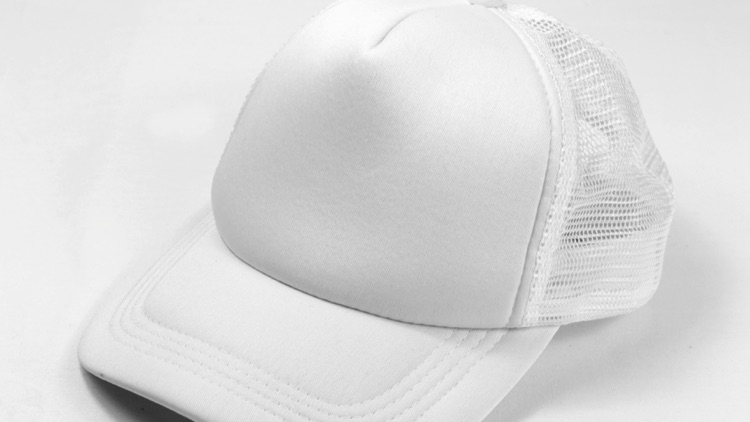
Golf buyers often use a brand name to describe a product standard. They may say they want a hat like a premium retail golf cap: structured but comfortable, water-resistant or quick-dry, cleanly decorated, and suitable for a club shop, tournament, resort, or corporate gifting program. That kind of search can lead to official brand programs, promotional distributors, and OEM manufacturers.
The first rule is simple. If you need genuine Melin-branded custom hats, use official or authorized Melin channels. If you need private-label golf hats with premium performance features, describe the product requirements and build your own brand design. Buyers searching for a custom melin golf hat Manufacturer should treat the term as a signal of quality expectations, not as permission to copy another brand.
What Buyers Usually Want
The real demand behind this search is usually premium golf headwear. Buyers want a cap that feels expensive enough for a pro shop, club event, corporate gift, or outdoor lifestyle brand. They may want technical fabric, moisture management, a stable crown, a clean logo area, and packaging that looks professional.
Those details can be produced without using another brand’s trademark or design. A compliant OEM project starts with the buyer’s own logo, colors, fit preference, decoration style, and distribution plan.
Fabric and Weather Performance
Golf hats are worn outdoors for long periods. Fabric should be selected for the climate, retail position, and expected use. Polyester and nylon blends are common for performance caps because they can be lightweight and quick-drying. Cotton blends can feel familiar and casual, but they may not meet the same performance expectation. Stretch fabrics can improve fit but may change decoration behavior.
If you want water resistance, ask how it is achieved. Is it from the fabric itself, a surface finish, or a coating? If you want sun protection, ask whether UPF data is available or whether the supplier is only making a general statement. Avoid vague claims that cannot be supported.
Crown Shape and Fit
A premium golf cap should hold its shape without feeling rigid. Structured front panels can support patches and embroidery, but poor backing or seam tension can create puckering. Low-profile shapes may feel more casual. Rope caps can work well for golf and resort styling. Performance caps may need lighter construction and better ventilation.
Fit should be decided early. Snapback, stretch fit, fitted sizes, buckle closures, and hybrid systems all have different advantages. Tournament giveaways may need broad adjustability. Retail programs may prefer a cleaner fitted or stretch-fit feel.
Logo Method
Logo execution is one of the most visible quality signals. Embroidery can be durable, but it may not be ideal for every lightweight performance fabric. Woven patches can show fine detail. Silicone and TPU patches can create a technical look. Leather patches can suit resort and lifestyle products. Heat transfers can look clean and stay light, but adhesion should be tested.
Send vector artwork, Pantone references, logo dimensions, and placement instructions. If the design has small letters or thin lines, ask the supplier which method will reproduce it best.
Sampling Is Not Optional
For premium golf hats, sampling should test the actual materials and decoration method. A mockup cannot show hand feel, sweatband comfort, crown balance, or logo tension. The buyer should review the cap from the front, side, top, back, and inside. It should also be checked on a head form or worn briefly to confirm comfort.
Give specific feedback. Instead of saying “make it more premium,” ask for a softer sweatband, lower crown, firmer front panel, smaller patch, cleaner stitch density, or different closure. Specific comments make the next revision easier to judge.
Quality Control and Packing
Golf caps can be damaged by poor packing. Structured crowns need proper nesting and carton protection. Light colors need clean handling. Patches, rope details, and front panels need inspection for alignment. If the product will be sold in retail, hangtags, labels, barcodes, polybags, and carton marks should be planned before production.
Ask the supplier how it checks fabric color, panel symmetry, logo position, stitching, sweatband, closure function, and packing. If the order is large or deadline-critical, consider third-party inspection.
Questions for the Manufacturer
Before placing an order, ask:
- Which golf cap styles are already proven in production?
- Which fabrics fit warm-weather performance use?
- Which logo methods work best on the chosen fabric?
- What is the MOQ by color and decoration method?
- How many sample revisions are practical before bulk production?
- Can the supplier support private-label labels and packaging?
- What inspection steps happen before shipment?
Final Advice
The safest way to source a premium golf hat is to define your own product. Use known brands as inspiration for quality level, not as templates to copy. A capable manufacturer can help translate the desired feel into fabric, construction, logo method, and packaging that belong to your brand.
That approach protects the buyer legally and commercially. More importantly, it leads to a better product: a custom golf hat designed for your customer, your price point, and your sales channel.